Outdoor Spa and Hot Tub Removal
Hot Tub Removal Services in Tucker GA
Reclaim your patio, deck, or backyard. Get a Free Estimate
Outdoor Spa and Hot Tub Removal
Reclaim your patio, deck, or backyard. Get a Free Estimate
An old hot tub can occupy a large portion of a deck, patio, or backyard long after it stops working. Its size, weight, electrical connections, and surrounding structures can make removal difficult for a homeowner to handle alone. Our hot tub removal service in Tucker, GA helps customers plan the removal of unwanted spas and related materials.
Whether your hot tub is damaged, outdated, unused, or being replaced, the first step is understanding its installation. Some units sit openly on patios, while others are partially enclosed by decking or placed in tight backyard spaces. These differences can affect how the unit is removed.
Hot tubs must be drained and safely disconnected from electrical and other applicable utilities before physical removal. A qualified professional should perform disconnection where required. We discuss these preparations and the access conditions before determining the project scope.
Contact us with details about your hot tub and its location to discuss the next steps.
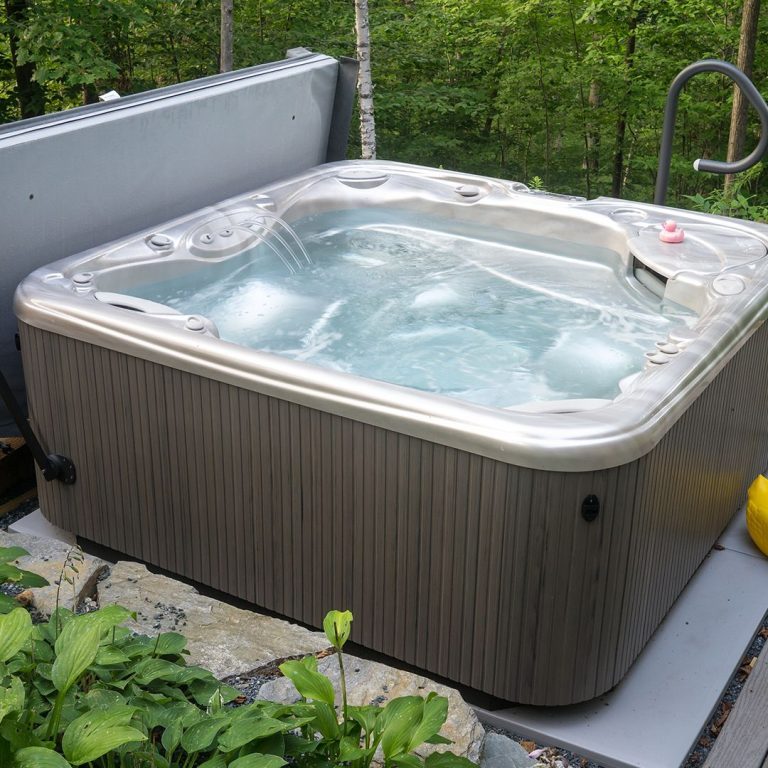
Removing a hot tub involves understanding the shell, cabinet, supporting surface, utility connections, and access route. We want customers to know what information is necessary before removal so that the job can be approached safely and realistically.
Freestanding hot tubs may sit on concrete patios, reinforced decks, or prepared ground-level pads. Their shells and internal components can be bulky even after the water has been drained. We ask about dimensions, surrounding clearance, and the path to the loading area. A unit located close to a driveway may present different challenges from one behind a narrow fence gate.
Some hot tubs are built into or surrounded by wooden decking. Removing them may require careful consideration of the deck framing, access panels, and surrounding boards. We discuss whether the hot tub can be reached independently or whether any structural work would be necessary. Deck modifications or repairs should be identified separately from the removal of the hot tub itself.
Old hot tubs may have cracked shells, broken pumps, deteriorating cabinets, or damaged covers. These conditions can affect how components are handled. Before arranging removal, customers should report visible damage and confirm that the unit is no longer connected to active utilities. If there is uncertainty about electrical safety, professional disconnection and assessment are important.
When a whole hot tub cannot pass through available access points, dismantling may need to be considered. This can involve separating the cabinet, shell, and other components according to the unit's construction. We review whether dismantling is appropriate for the particular project and what additional considerations may apply. Customers should not attempt to cut apart a connected or partially filled spa.
A removal project may also involve a waterlogged cover, steps, damaged surrounding panels, or detached accessories. These items should be identified when describing the work. Including them in the initial discussion helps clarify the intended scope. Unrelated decking, landscaping, and permanent structures are not automatically included.
Georgia backyards can have fences, retaining walls, slopes, narrow side yards, and landscaped pathways. These features may limit equipment movement or require a more involved plan. We ask for the gate width, distance to the driveway, and any significant changes in ground level. Photos can help explain complicated access conditions.
We discuss draining and proper disconnection before physical removal is considered.
Decks, fences, patios, retaining walls, and landscaping are part of the planning conversation.
We assess whether the hot tub can be moved intact or whether another removal method may be necessary.
We help distinguish hot tub removal from separate electrical, plumbing, structural, or landscape work.
Ready to get an unused spa out of the way? Tell us where it sits and how it is installed.
Free — no obligations
Provide approximate dimensions, installation type, condition, and location.
Discuss water drainage, utility disconnection, and any necessary specialist work.
Review gates, decking, slopes, patios, and possible dismantling requirements.
Once the scope and safety requirements are settled, we discuss the appropriate removal arrangements.